
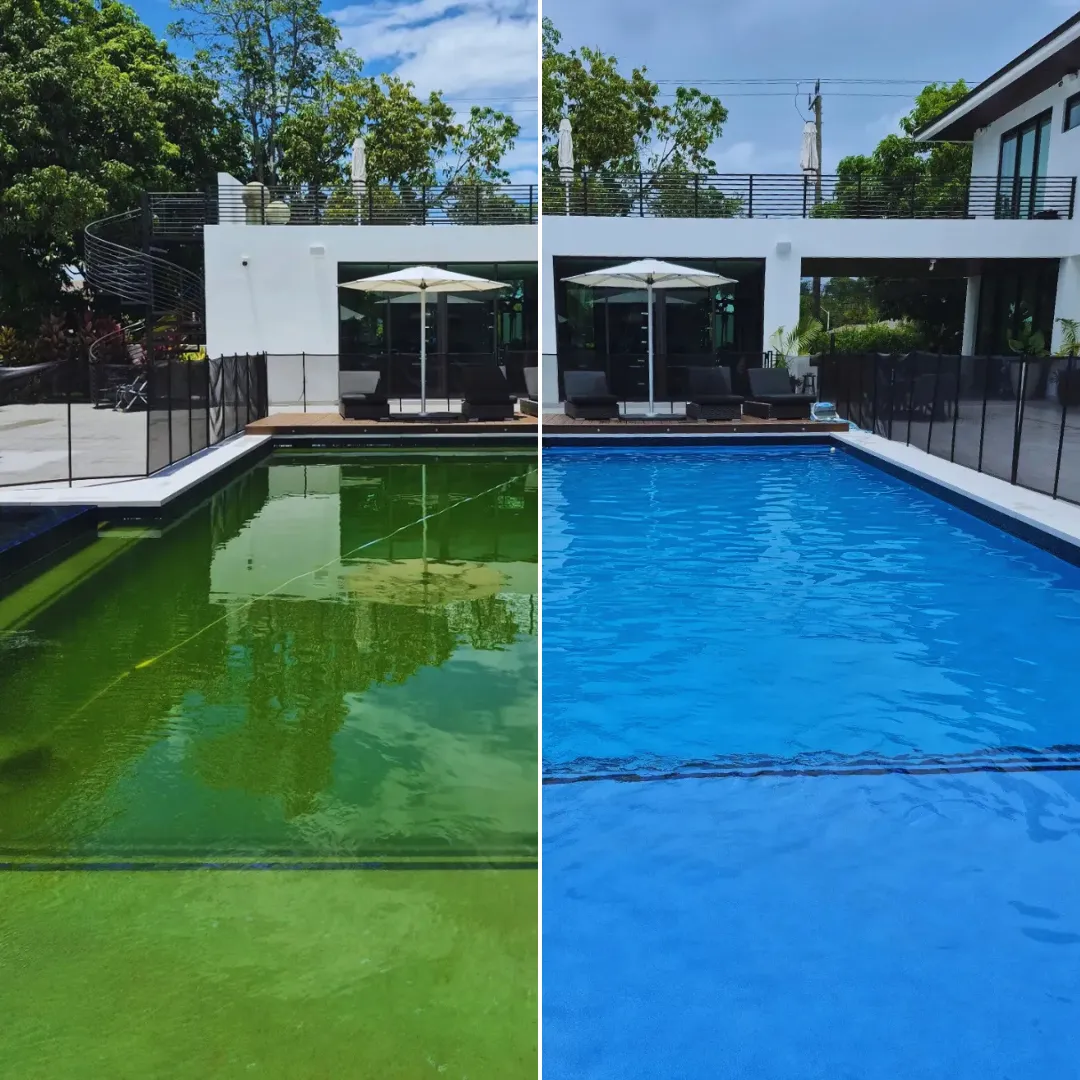
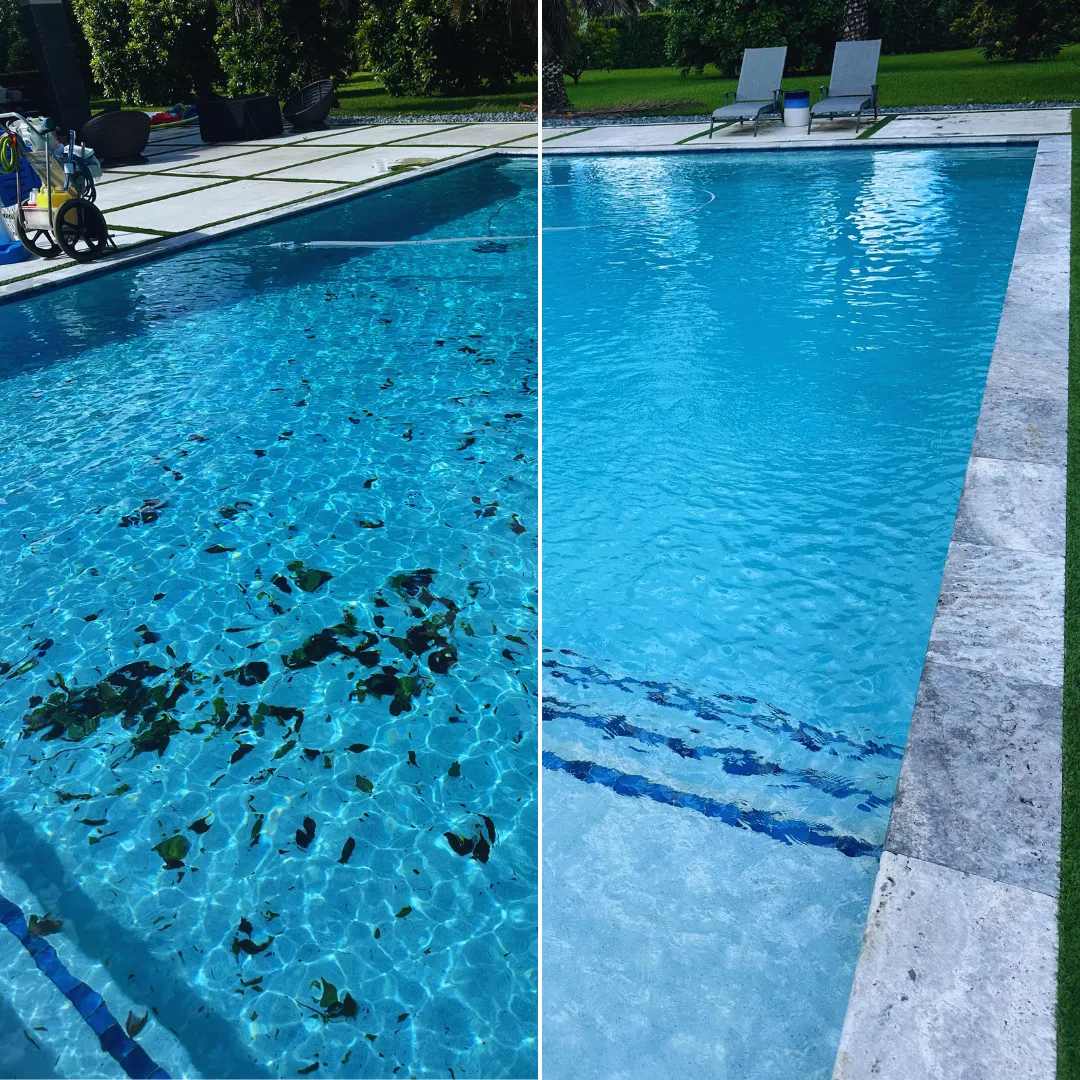
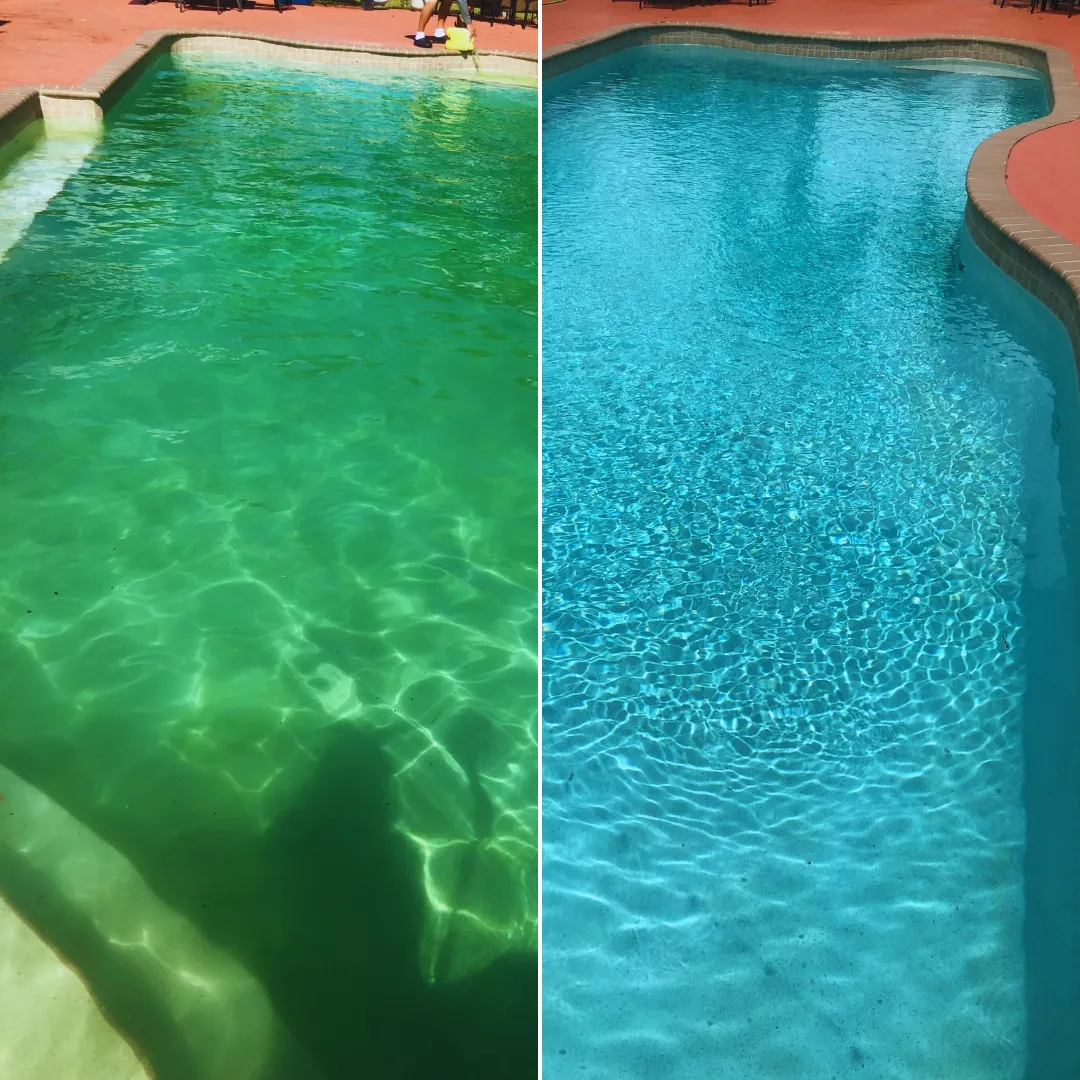





Florida’s heat and humidity create ideal conditions for algae and bacteria, so experts recommend shocking your pool once a week during peak season (spring through summer) and at least once a month during cooler months. You should always shock your pool after a heavy rainstorm, after a party or high swimmer load, when the water looks cloudy or green, or if free‑chlorine levels drop below the safe range. Regular shock treatments maintain sanitizer effectiveness and help prevent algae blooms.
Your pool needs a shock treatment when you notice cloudy or discolored water, a strong chlorine smell, slimy surfaces, or sudden drops in chlorine levels. Storm runoff, heavy debris or organic material can also contaminate the water. In South Florida’s climate, these conditions can appear quickly, so regular testing and visual checks are essential.
Yes. A saltwater system generates its own chlorine, but it can’t always keep up with heavy contamination. Salt pools still need occasional shock treatments to remove algae, chloramines and organic contaminants. If your salt cell can’t maintain free chlorine during peak usage, supplement it with a properly dosed shock.
For maximum effectiveness, shock your pool at dusk or in the evening so the chlorine won’t burn off quickly under the sun. You should also shock before opening the pool for the season, after large gatherings, following storms or heavy rain, during long periods of intense heat and sun, and before closing the pool for the off‑season
After using a chlorine‑based shock, wait at least 8–24 hours and test the water to ensure the free chlorine level has dropped to 5 ppm or less and the pH is within the safe range. For non‑chlorine (oxidizing) shock, swimmers can often re‑enter after about 15 minutes, but always test first. Jumping in too soon can cause skin and eye irritation, so err on the side of caution.
Common shock treatments include:
Calcium hypochlorite (cal‑hypo): A strong, fast‑acting chlorine shock ideal for weekly treatments.
Dichlor shock: Stabilized chlorine that’s more UV‑resistant—useful in sunny climates like South Florida.
Non‑chlorine oxidizing shock: Uses potassium monopersulfate to oxidize contaminants; it allows faster swimmer turnaround and is good for routine maintenance.
Choosing the right shock depends on your pool type, sanitizer levels and UV exposure.
Yes. Salt pools use chlorine generated from salt, so they can be shocked with cal‑hypo or dichlor just like a traditional chlorine pool. The key is to monitor your salt system and only shock when necessary. Always follow product dosing instructions and adjust your salt generator after shocking.
Wear protective equipment: gloves, goggles and long sleeves.
Handle chemicals with dry tools and wash your hands afterwards.
Keep children and pets away from chemical storage and treatment areas.
Store chemicals separately, in original labeled containers, in a cool, dry place.
Following these guidelines helps prevent injuries and protects your pool surfaces.
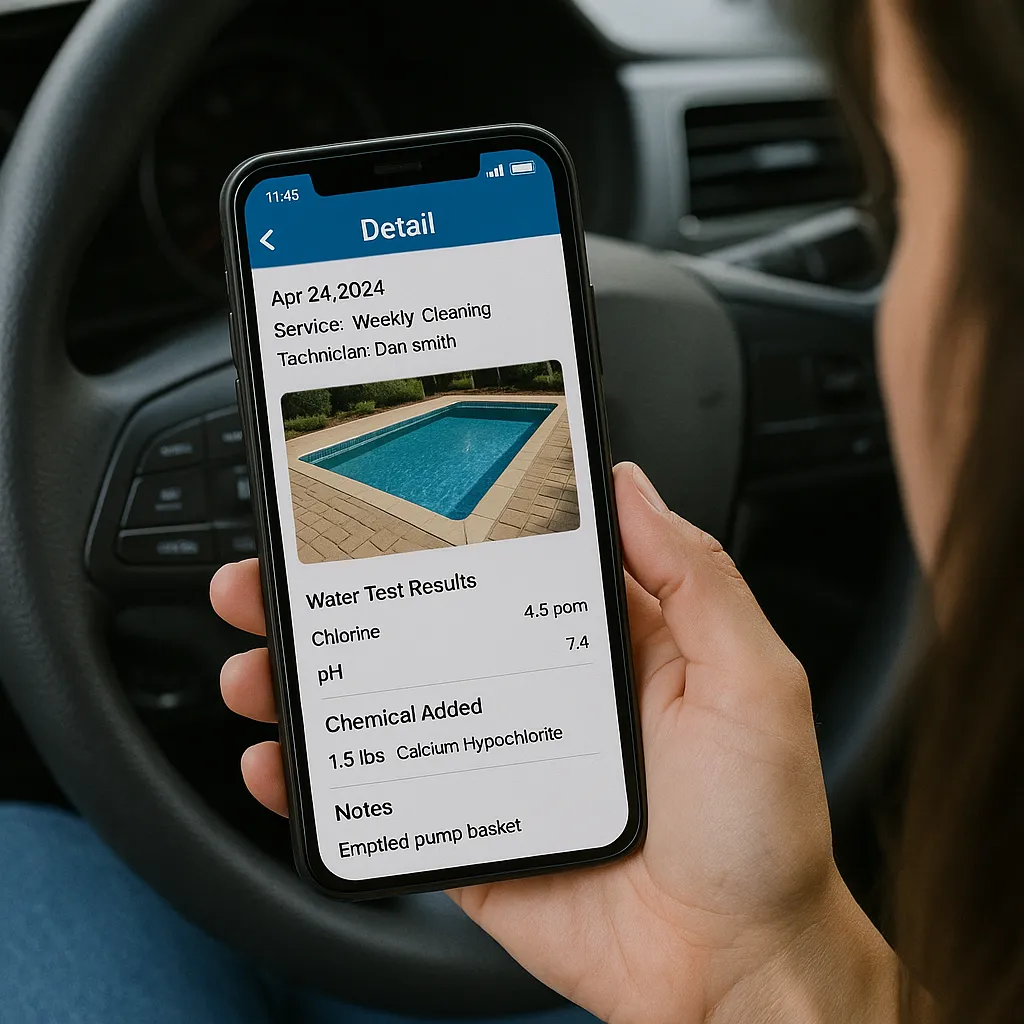
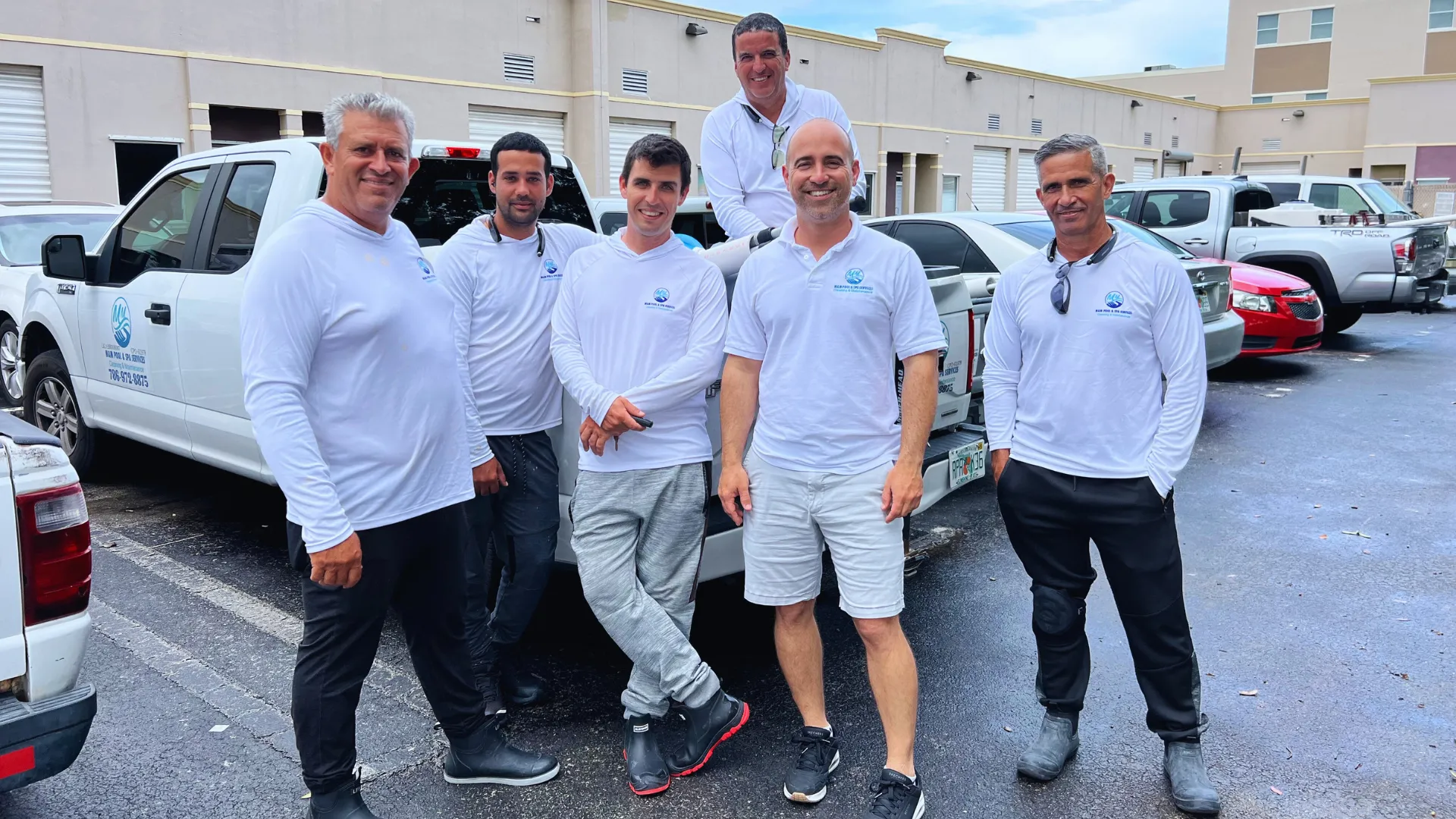
Professional technicians save you time and ensure your pool is correctly balanced. A typical weekly maintenance routine involves skimming, vacuuming, brushing, balancing chemicals and cleaning filters: tasks that require training and can take several hours. Misusing pool chemicals can cause skin irritation or more serious injury. Professionals use industrial‑grade equipment and know the exact chemical ratios needed to keep water clear and sanitized. They also diagnose and correct water issues before they become costly.


